
Maria
ICF-Credentialed Coaching

A private practice for smart, accomplished people who have read the books, tried the things, and are looking for something underneath the patterns.

Portrait of Maria, coach
A figure walking along the shore at sunset.

Maria · PhD

About

I'm Maria.

I have a PhD in philosophy, psychology, and neuroscience, and I coach people whose old strategies have quietly stopped working.

Most of my clients are smart, accomplished, and quietly miserable. They've read the books. They've tried the things. They don't need another framework. They need someone to help them see what's actually happening underneath the patterns.

My coaching practice is built on ICF (International Coaching Federation) standards — the field's most rigorous credentialing body. That matters because coaching is largely unregulated, and the ICF framework, as well as my degrees, allows me to zoom in and help you build a more resilient you.

  • PhD — Philosophy, Psychology, and Neuroscience, Washington University in St. Louis
  • Clinical Ethics Fellow, WellStar Health System
  • ICF-credentialed coach (Associate Certified Coach, Symbiosis Coaching)
  • Peer-reviewed publications in Synthese and Philosophical Psychology on emotion regulation, self-control, and motivation
PhilosophyPsychologyNeuroscienceClinical EthicsICF CoachingPhilosophyPsychologyNeuroscienceClinical EthicsICF Coaching
Common challenges

Six patterns I work with most often.

These are not diagnoses. They are descriptions of where smart, hard-working people tend to get stuck — and where the work usually begins.

01When discipline turns on you.

Discipline to Burnout Pipeline

You used to thrive on pushing through. Now the same effort that built your career is making you miserable, and rest feels like cheating. You're not lazy. You're running an old program that stopped working.

What we do —Together, we figure out which parts of your discipline are still earning their keep and which ones are just charging interest.

Reference

02When you can name what's wrong but can't imagine it differently.

Stuckness and Loss of Hope

You can describe the problem precisely. You've described it to friends, to a therapist, maybe to yourself in a journal at 2 a.m. The diagnosis is clean. The future just won't come into focus.

What we do —We work on rebuilding the part of you that can picture things being different — not as fantasy, but as something you could actually do on a Tuesday.

Reference
03When trying harder makes it worse.

Effort and the Limits of Trying Harder

Mental effort doesn't work like physical effort. Some days you write three pages without noticing. Other days you stare at the same paragraph for four hours and end up worse than when you started. Most advice treats this like a willpower problem. It isn't.

What we do —We build a different relationship with effort — one that uses curiosity, play, and, yes, rest as the actual tools they are.

Reference
04When you've gone numb in your own life.

Operating on Autopilot

You're doing all the things. The job, the relationship, the gym, the routines you built when you actually cared about them. You can't remember the last time any of it landed.

What we do —We figure out where the disconnect happened and what it would take to feel present in your own days again.

05When you're carrying weight that isn't yours.

Absorbing Others' Stress

You leave conversations exhausted and don't know why. You're the one people call. You're proud of being that person — and also, you'd like to stop coming home wrung out from other people's lives.

What we do —We work on noticing when you're picking it up, and on building the actual skills — not just the boundaries talk — to put it down.

Reference
06When your self-worth lives or dies by feedback.

Insecurity Under Pressure

You've built your sense of yourself around being excellent. One piece of negative feedback ruins your week. You know intellectually this is fragile. Knowing hasn't fixed it.

What we do —We diversify the load-bearing parts of your self-worth so a bad review at work doesn't level the whole building.

Reference
A quiet castle on a lake — Bled.

“The work is quiet. The change is not.”

Who I work with

Smart, accomplished, and quietly miserable.

Most of my clients have already read the books and tried the things. The frameworks haven't been the missing piece. What helps is someone who can sit with the pattern long enough to see what's actually underneath it — and then work with you on changing it.

Two pairs of hands clasped together — quiet support.
  • You can describe the problem precisely.
  • You've already read the books.
  • You've already tried the things.
  • You look fine from the outside.
  • You're tired of frameworks.
  • You want change that holds on a Tuesday.
What to expect

A clear path from first call to ongoing work.

01

A 30-minute consultation

We meet briefly by phone or video. You share what's bringing you in; I share how I work. There is no obligation — the call is to see if we are a fit.

02

An initial session

If we move forward, we begin with a longer first session to map history, context, and what you would like the work to address.

03

Ongoing sessions

Most clients meet weekly or biweekly, 50 minutes, virtual. Cadence is set with intention — frequent enough to build momentum, sustainable enough to last.

The practice

A space for the thinkingyou have been deferring.

A hand writing in a journal in warm light.
An open notebook resting on soft fabric, with morning light.

“Slow, considered work — done somewhere the world can’t reach you.”

— A client, in their words
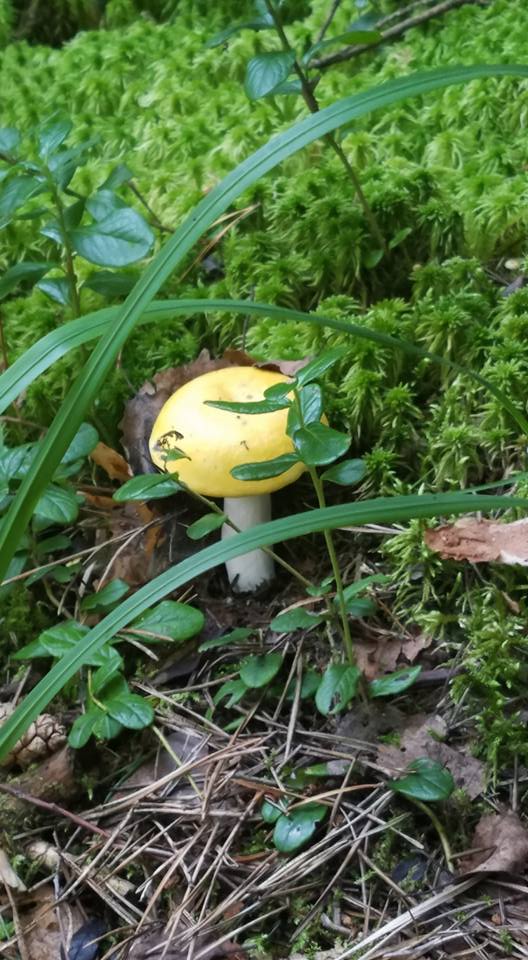
A small mushroom in soft natural light — quiet detail.
FAQ

A few common questions.

Therapy treats clinical conditions and works with the past. Coaching is forward-looking work with people who are largely functional but feel stuck, numb, or burned out. My academic training is in the science of how minds and habits work; my ICF training is in how to help you change them. If during our consultation it becomes clear that therapy is the better fit, I'll say so.

No. Coaching is not a clinical service and is not covered by insurance. Fees are discussed transparently on the consultation call.

Most of my coaching is virtual. This lets me work with clients wherever they live and keeps the cadence sustainable.

It depends. Some clients work with me for a season around a specific transition; others stay for a year or more as the work deepens. We set goals at the outset and revisit them regularly so the work stays in focus.

Yes. Confidentiality is the foundation of the coaching relationship and is core to ICF standards. The narrow exceptions (imminent harm to self or others) are reviewed with you in our first session.

Begin

Schedule a 30-minute consultation.

Choose a time that works for you. The call is brief, free, and meant to see if we are a fit.

Opens in a new window · 30 minutes · No obligation

Contact

Or send a note.

If you would rather start with a message, write me directly. I read every inquiry personally and respond within two business days.

Location
Virtual

This site does not collect protected health information. Communication sent through the contact form is not encrypted; please don't share sensitive details until we have established a secure channel.